
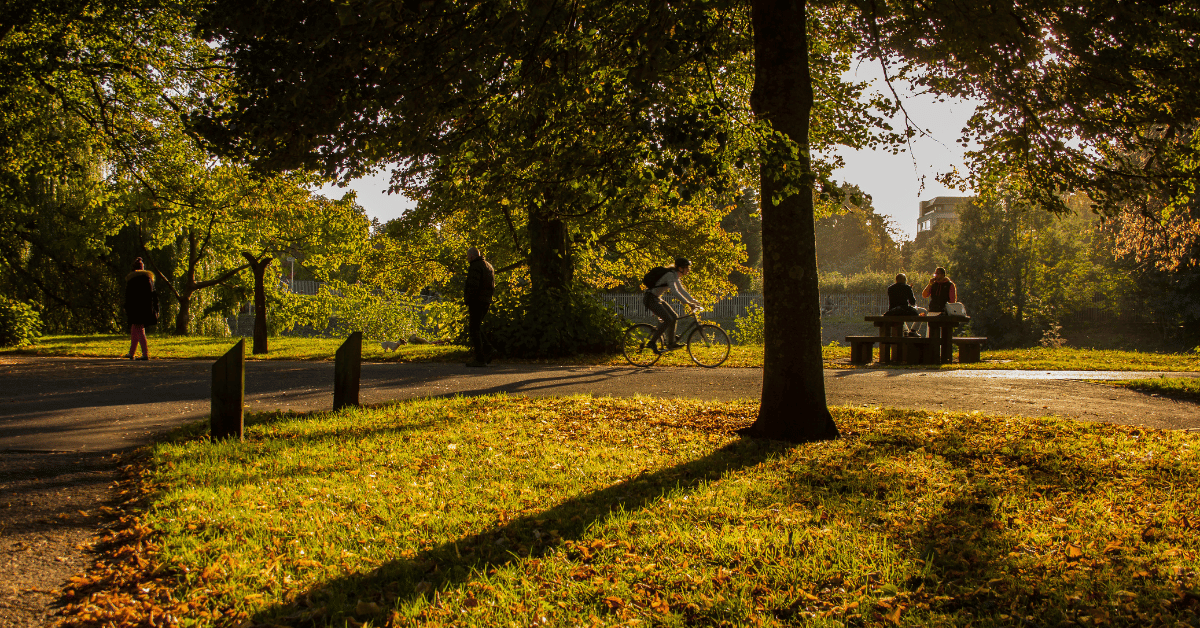
Stretch your legs, find a conker, spot a squirrel and enjoy Cardiff’s green and open spaces this autumn with our guide to some you know and love… and some you might not have visited yet. We’ve also pulled together five actions we can all take to protect the green spaces in our city… read on to find out how YOU can save a tree’s life today!
Bute Park
Let’s start with the big one! How lucky we are to have the beautiful 146 acres of Bute Park, accessible to pretty much all suburbs in Cardiff within a half hour walk! Bute Park is home to so much wonderful wildlife and biodiversity, it’s impossible to talk about all its charms in just one mention. So, if we were to highlight three things about this incredible park, these would be our picks (although there’s tons more to see and explore on your own adventure):
The Bat Meadow
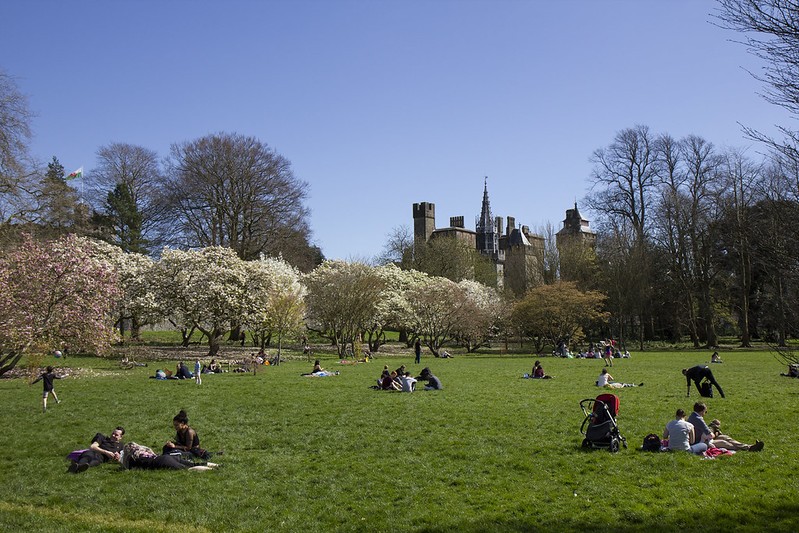
The Bute Park Bat Meadow was created in 2017 to help support and attract our local bat population; of the UK’s 19 native species a whopping 9 can be found in Bute Park and along the Taff Trail! In summer the meadow overflows with foxgloves, yarrow, Welsh poppy and hemp-agrimony, creating food and shelter for moths (aka Bat Snacks) and other invertebrates as well as small mammals and amphibians.
Blackweir Woods
Tucked close to the playing fields and very near the bat meadows, Blackweir Woods is a lovely reminder that sometimes you don’t have to leave the city to find a bit of wilderness. This beautiful pocket of woodland gives the north end of Bute park a wild, untamed and ancient feel for somewhere situated so central in a city. The woodland is a Site of Interest for Nature Conservation and is home to some really unusual plants including the creepy vampire plant toothwort and ‘town hall clock’, named for it’s cube shaped clusters of flowers. I’m afraid you will have to wait until spring to find either of these beauties flowering, but head out to Blackweir Woods after some rain this autumn to spot some stunning fungi. You might find wobbly (and edible) Jelly Ears, multicoloured Turkey Tail and the unsettling Dead Man’s Fingers.
Bute Park Community Orchard
And finally, the Bute Park Community Orchard; how amazing to have a dedicated community space for growing fruit right here in the city! The orchard was established in response to a heartbreaking night of vandalism in 2022 left everyone who loves Bute Park reeling. In 2024, the Apple Tree Man (the name traditionally given to the oldest tree in an orchard) was planted, and the orchard has gone from strength to strength. Today it has many heritage fruit varieties including some with intriguing names – have you every tried a Yellow Egg plum or a Beauty of Boskoop apple?
And here’s something to look forward to in the new year: the orchard team put on an annual Wassail celebration, an old traditional of blessing the trees in hope of a good harvest. It’s an opportunity to give the trees a thank you for all their hard work, whilst hoping for a good crop the following year. Keep an eye on their instagram to take part next year.
Roath Park
Seriously, is there a more iconic place in Cardiff to get bitten by a goose? Just like Bute Park, Roath Park has a spectacular amount to highlight, so let’s pick three really special areas.
Roath Lake
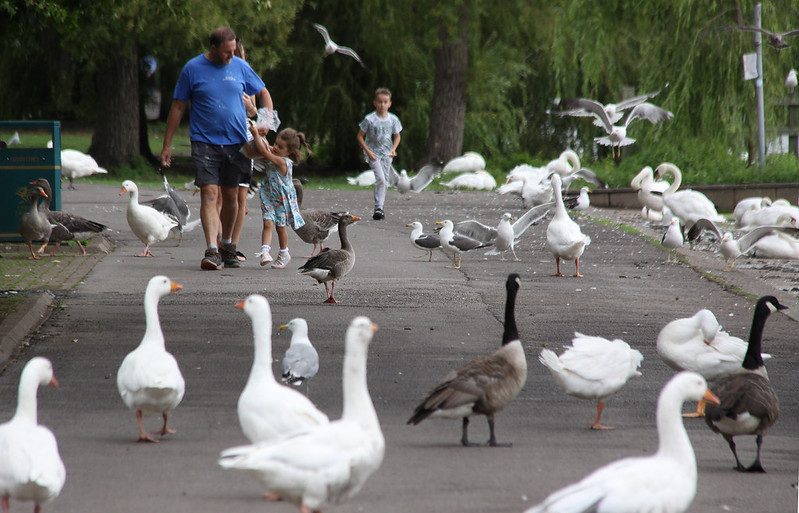
The massive 30-acre lake is an essential for overwintering and breeding site for birds and if you’ve ever walked the full circle of the lake you’ve probably noticed those little islands dotted around. They’re there to provide safe nesting sites, giving wild birds somewhere to raise their little ones.
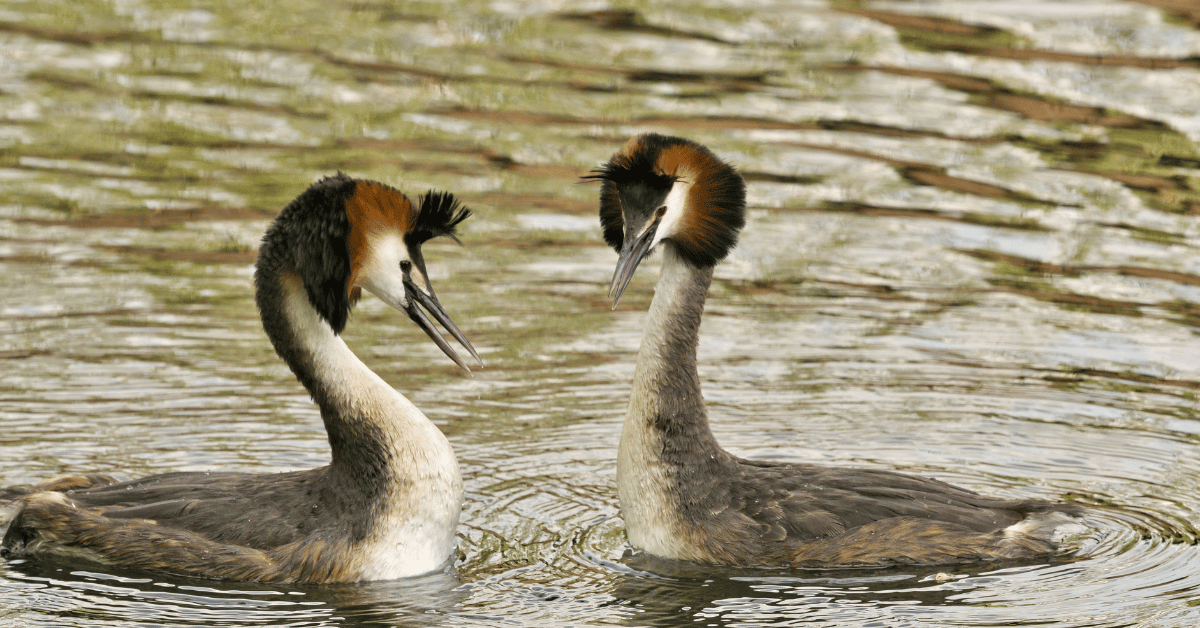
Next time you’re in the area, take a wander around the lake and keep your eye out for Mute Swans, Great Crested Grebes, Little Egrets, and Herons. Cormorants can be spotted too, drying off after diving for fish.
Roath Park Wild Gardens
Just across the road, up towards the north tip of Roath Lake, you’ll find Roath Park Wild Gardens. It’s so much less busy than the lake itself and feels like a proper escape from the more touristy part of Roath Park. It’s much less a polished park and wild in comparison – expect to get muddy if you go in the wetter months! You can spot woodpeckers, owls, long-tailed tits, kingfishers and even treecreepers here. It’s also well known for its diverse range of fungi, perfect for autumn foraging.
This one is great for getting wrapped up warm and going for a short but satisfying stomp. There’s a running stream cutting through the gardens, logs and stumps to jump off. and plenty of birds to listen out for – basically, a little bit of wilderness right next to one of Cardiff’s busiest parks.
Roath Park Conservatory
I think out of everywhere we’ve mentioned in this blog, this is the only paid experience, but its pretty cool. The Conservatory is home to lots of unusual species of plants and trees including banana trees and pineapple trees, a bat flower and even unique animals, like a pair of whistling ducks. These guys are incredibly vocal and so striking that they don’t quite look real.
It’s £2.50 for adults, £1.35 for kids and (as long as you don’t accidentally time your visit with a school groups) it’s a peaceful space to spend some time.
Rumney Hill Gardens and the Rhymney Trail
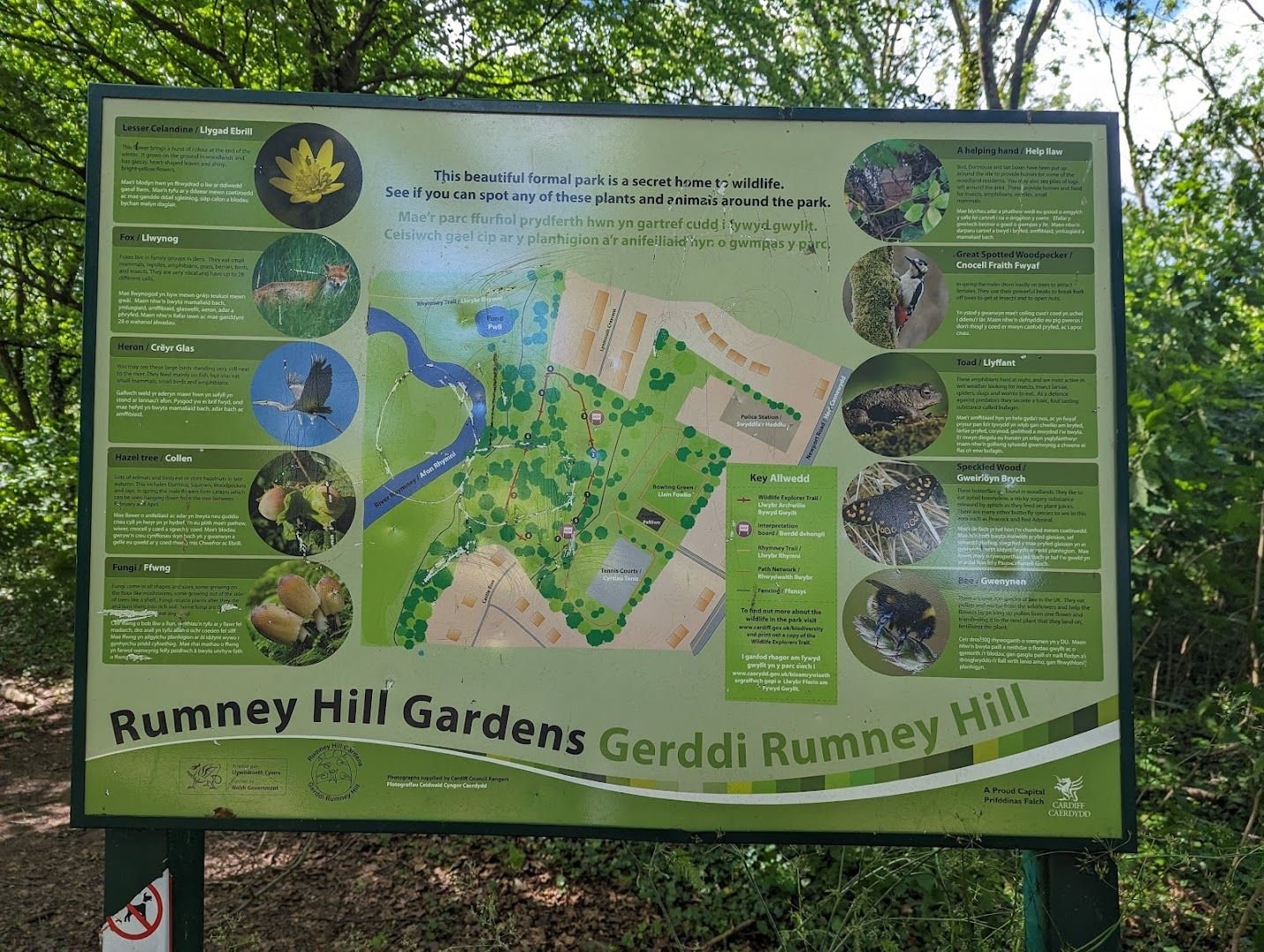
This may be just a little guy compared to the enormous Bute and Roath Parks, but look a little closer and there’s actually a lot to discover. There’s free tennis courts, a bowls lawn, and colourful seasonal planting displays in this Green Flag park. Or take the path down from the park (be careful, it’s a little steep and might not be suitable for wheelchair users) and you can pick up the Rhymney Trail, with reed beds and marches providing great habitats for wildlife and some brilliant opportunities for birdwatching. The Rumney River itself is also a really valuable wildlife corridor.
The trail is great for walking or cycling, and if you fancy taking on the full route, you’re looking at around 7.5 miles (12Km) – why not walk to the next green space on our list?
Parc Tredelerch
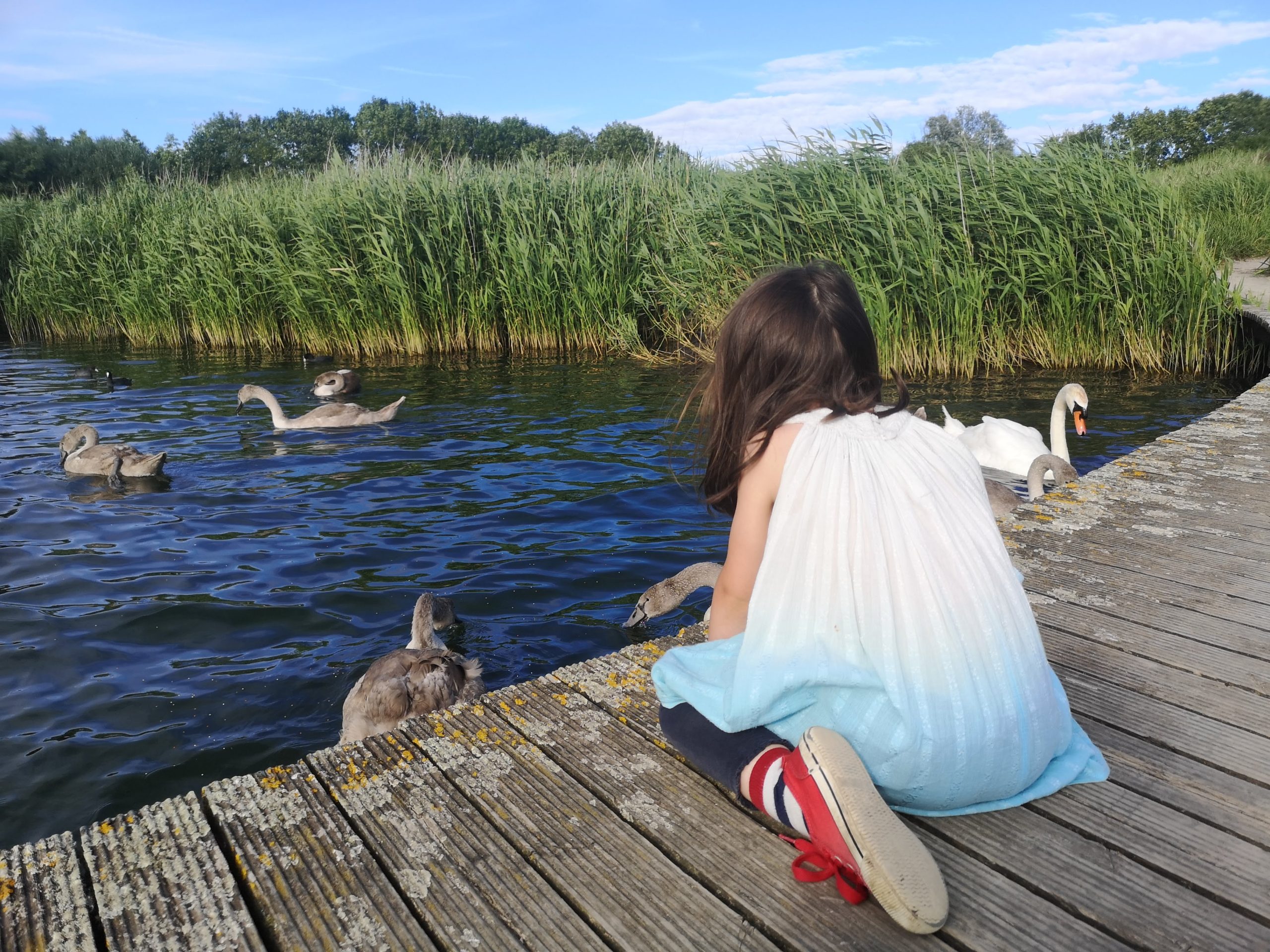
If you regularly head into Cardiff from the east, there’s a good chance you’ve driven past Parc Tredelerch without giving a second thought about the land underneath. Tucked beneath the overpass towards Pengam Green, the marshy-looking wetlands might not immediately scream ‘walk’, but there are well-maintained paths looping around the lake and a boardwalk that makes this a lovely spot amongst all the hustle and bustle of the surrounding roads.
It’s a popular place for birdwatching, with a mix of native woodland, scrub, meadow, reeds and ponds providing a really diverse habitat for birds and mammals. Keep an eye out for kingfishers, tufted ducks, cormorants and great crested grebes while you’re having a gander (excuse the pun) around the lake.
Parc Tredelerch also has a special place in our hearts as we used it to create a short film for our 2019 project, The Girl Who Wouldn’t Give Up.
Waterloo Gardens
This small but perfectly formed spot is part of a trail of adjoining parks that stretches from Penylan to Roath Lake, although if you fancy a longer walk you can head all the way to Nant Fawr Woodlands.
With tons of historical charm, Waterloo Gardens itself is particularly handy for anyone around Splott, Tremorfa and Adamsdown looking for a nearby escape. It’s a peaceful spot to read a book, drink a coffee, let a toddler loose or just stretch your legs. The gardens are also cared for by Friends of Penylan Gardens, so if you fancy getting involved in looking after the space or finding out more, you can get in touch with them at FriendsofPenylansGardens@outlook.com.
The Wenallt
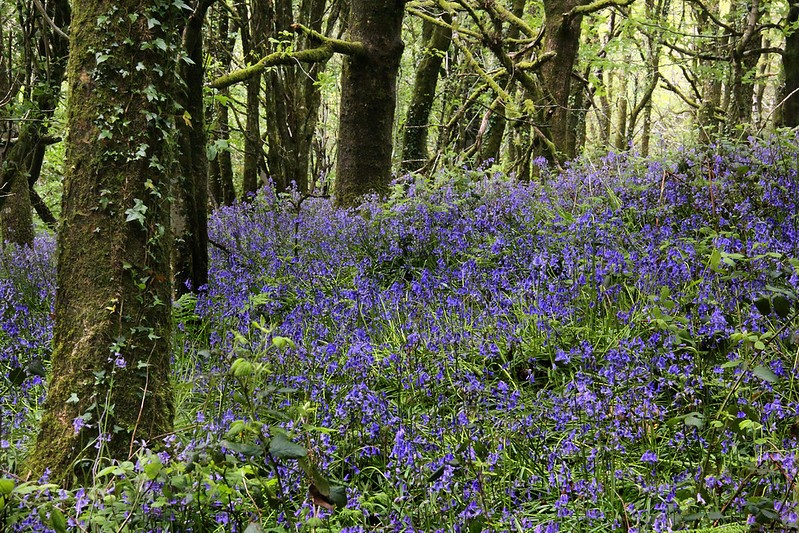
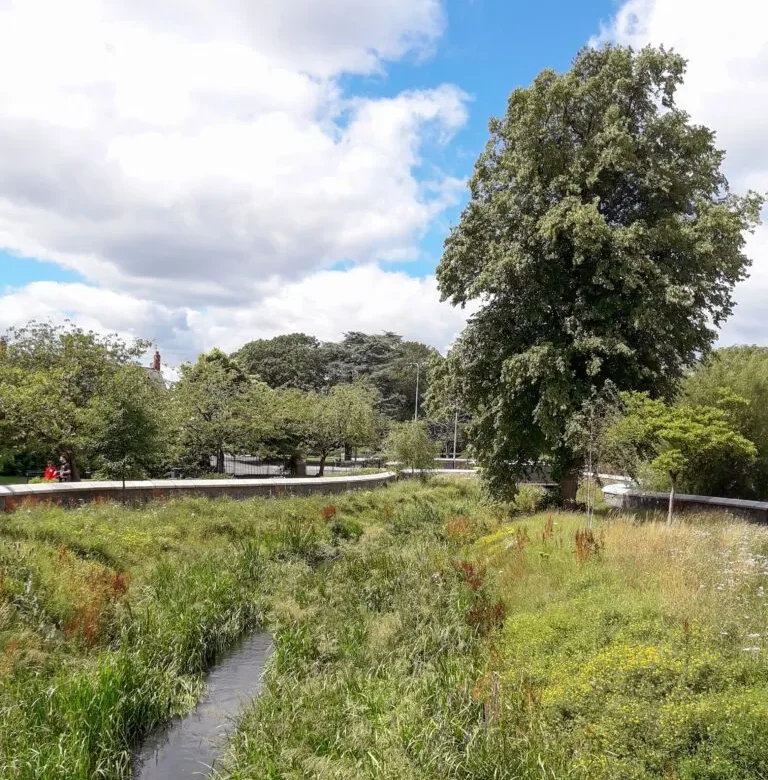
You might be surprised by just how much woodland is hiding in the north of Cardiff. Coed-y-Wenallt is an area of ancient woodland that stretches around Rhiwbina and Thornhill. It’s a brilliant place for getting properly lost amongst the trees.
There’s an incredible variety of wildlife here, including badgers, buzzards, great spotted woodpeckers and wood warblers. And if you’re planning a visit in Spring, you’re in for a real treat as the woodland floor comes alive with a carpet of bluebells.
The southern slope of Wenallt Hill is the site of Wenallt Camp, an Iron Age hill fort. There’s not a lot to see today but it’s a special feeling to know you’re walking on this ancient site. Surprisingly the woodland also boasts a cold war era bunker, Wenallt AAOR, which was abandoned in the 1970s. It’s not safe to explore but you can see some picture taken inside in 2000 on Subterranean Britannica.
Cathays Cemetery
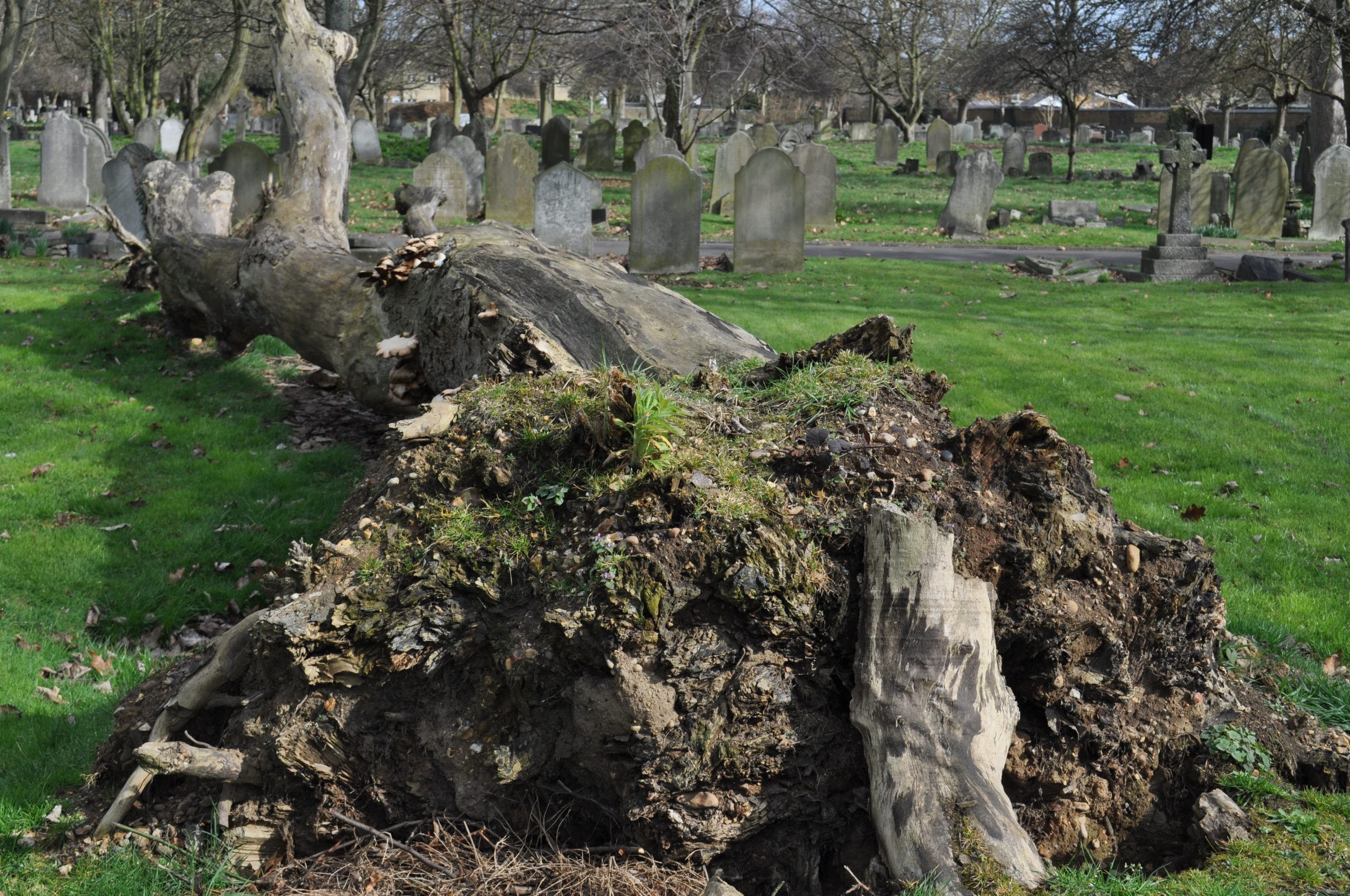
If you’ve not visited Cathays Cemetery yet then you’re in for a treat as this is a hidden gem of a green space. It’s absolutely stunning in the spring and summer, colourful in autumn, and atmospheric in the winter too! It might sound cliche, but it’s also a brilliant spot for bats watching.
There’s around 110 acres to explore, so you could easily spend a couple of hours wandering around, taking in the old trees, wildflowers and the beautiful historic surroundings. The huge red western cedar trees really stand out as they’re incredibly tall and striking, and seeing them amongst such an urban part of Cardiff feels like a treat in itself.
If you fancy exploring it for yourself, check out The Friends of Cathays Cemetery for more information.
Hendre Lake Park
Tucked away in St Mellons, Hendre Lake is one of those places you might not know exists unless you like nearby. It’s a lovely one to know about if you fancy a walk around a lake but don’t quite fancy the business of Roath Park.
There’s a large lake surrounded by wildlife, with a circular footpath taking you all the way around, and smaller paths lead off towards the Wentloog Levels. There are plenty of benches around the lake too, so it’s a nice spot to take your lunch outside and just have a bit of a wander. When you arrive, you’ll also find The Cardiff Great War Memorial. See their very helpful community website for more info – Hendre Park Lake
Parc Cefn Onn
Parc Cefn Onn has pretty much everything you could want from a day out in nature! For a start, it’s right next to Lisvane and Thornhill train station so it’s really easy to get to without a car.
You’ll find everything from enormous Dawn Redwoods and a huge Grant Fir (reaching around 48m!) to open sunny meadows. There’s a collection of exotic trees, which live in a small valley called The Dingle within the forest, with a slightly swampy looking pond with a little grotto sitting right in the middle. The ponds and streams are also home to frogs, toads, newts, so there’s plenty to spot while you’re having a wander.
The park is also a Grade II listed historic park, with paths leading up towards Caerphilly Mountain if you’re feeling up for a trek. And if you fancy exploring but need a little extra help on the terrain, you can even hire Trampers which are mobility scooters designed for rocky forest paths. Find out more about hiring one here.
What's your favourite Cardiff green space?
Where do you go for some time in nature? If we missed your favourite, please do tell us in the comment! If you’re hyped for Hailey Park, a fan of Forest Farm or you want to tell us about Trelai… let us know!
Five things we can all do for a greener Cardiff
1. Use it… or lose it! If you value your local green space then show up for it by attending events there, joining conservation days, or joining a Friends Of group to help look after it. Check our Outdoor Cardiff‘s park listings to see if your local park has a group attached to it. And if your local space doesn’t have a Friends Of group, here’s some guidance on setting one up.
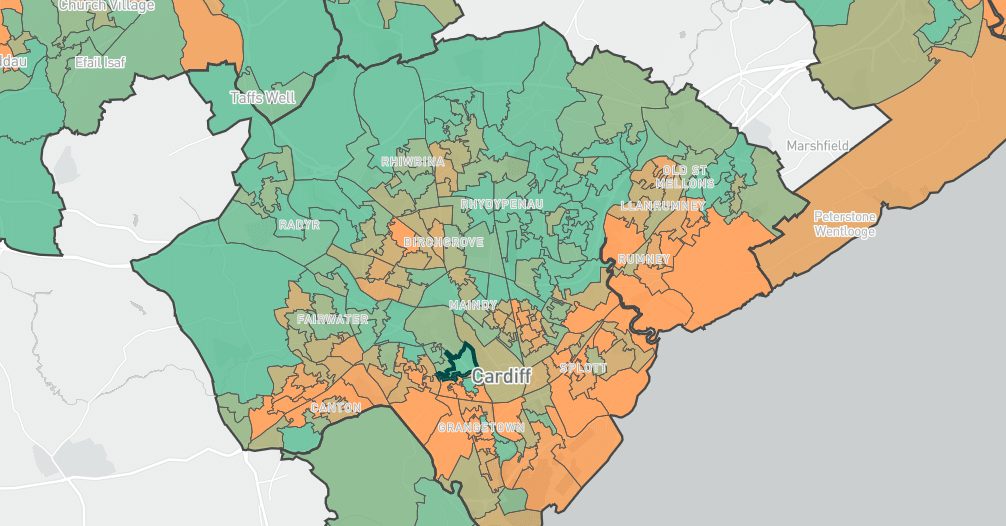
2. Speak up for Tree Equity. Everyone deserves access to trees and the benefits they bring, from connecting us with nature for our wellbeing to colling the city. But not everyone has equal access to trees and green spaces; for example, where we’re based in Splott has a ‘Tree Equity Score’ or 31/100, and canopy cover of 11%. Compare this with Pontcanna which has a score of 11/11 and more than twice as much canopy cover.
You can find the tree equity score for your area here, and if it’s not good enough then you can write to your MP asking for better; use the Woodland Trust’s template to get started.
3. Tell Cardiff Council that you want to see an end to the use of wildlife-harming and carcinogenic weedkillers in the city. Over 45% of the UK’s councils have stopped using glyphosate, or are phasing it out but Cardiff Council have doubled done on it and regular blast diverse patches of wild plants with it, turning them dog-wee yellow. If over 100 other councils have stopped using it, why can’t Cardiff? Please consider writing to your local councillor about the issue; you can find more guidance from the Pesticide Action Network.
4. Apply for a Tree Protection Order to safeguard your favourite local trees. It’s surprisingly, distressingly easy for individuals and businesses to cut down even very mature trees for fairly frivolous reasons (like dropping too many leaves on the car). Anyone can apply for a Tree Protection Order for any tree – it’s easy and could save a tree’s life. Here’s some great guidance on how to apply for one from Friends of the Earth – pop it on your to-do list!
5. Set up planning alerts for your area. It’s also surprisingly easy for planning applications to sneak past local residents and be approved before anyone realises they were a thing – after all, it’s easy to miss a grotty laminated document tied to a lampost. This can lead to green spaces being sold and trees being cut down, without us having a say. It just takes a moment to set up planning alerts to your email to make sure you have the chance to object applications that could harm people and nature. Anyone can object to a planning application but you do need to make sure your objections are valid; read more here.